
Introduction
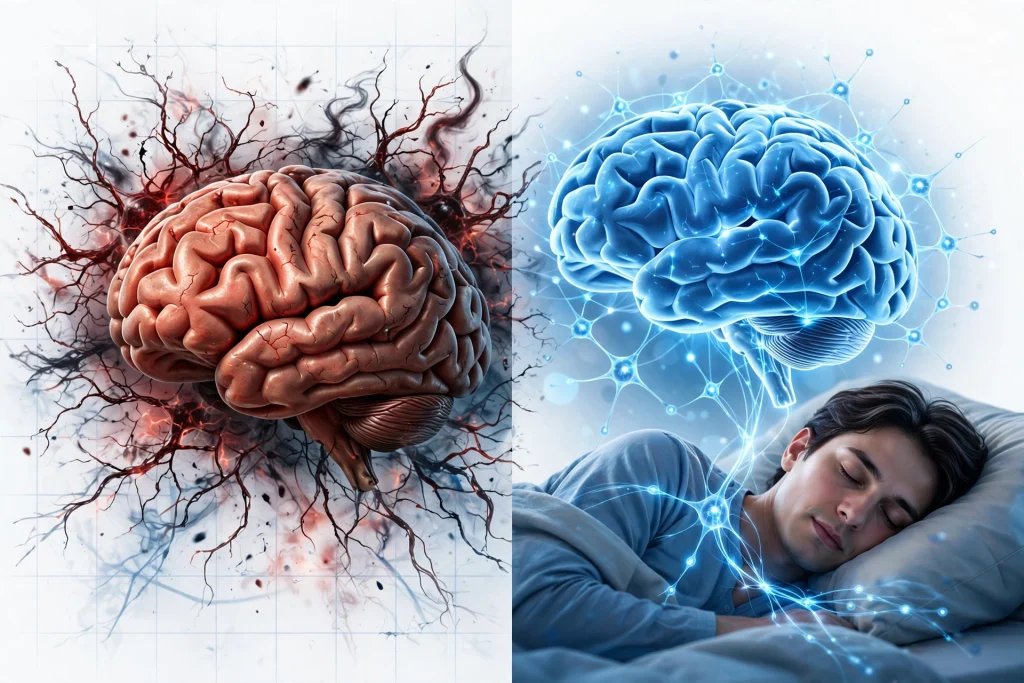
Sleep is much more than just a time for rest. While you sleep, your brain remains highly active, repairing cells, processing memories, regulating emotions, and preparing your body for the next day. Poor sleep can affect concentration, mood, memory, and even increase the risk of several neurological conditions over time.
Unfortunately, many people ignore persistent sleep problems, assuming they are a normal part of a busy lifestyle. However, chronic sleep disturbances may indicate an underlying neurological condition that requires medical attention.
Understanding the connection between sleep and brain health is essential for maintaining cognitive function and overall well-being. If you experience ongoing sleep problems, consulting a neurologist can help identify the underlying cause and provide appropriate treatment.
Why is Sleep Important for Brain Health?
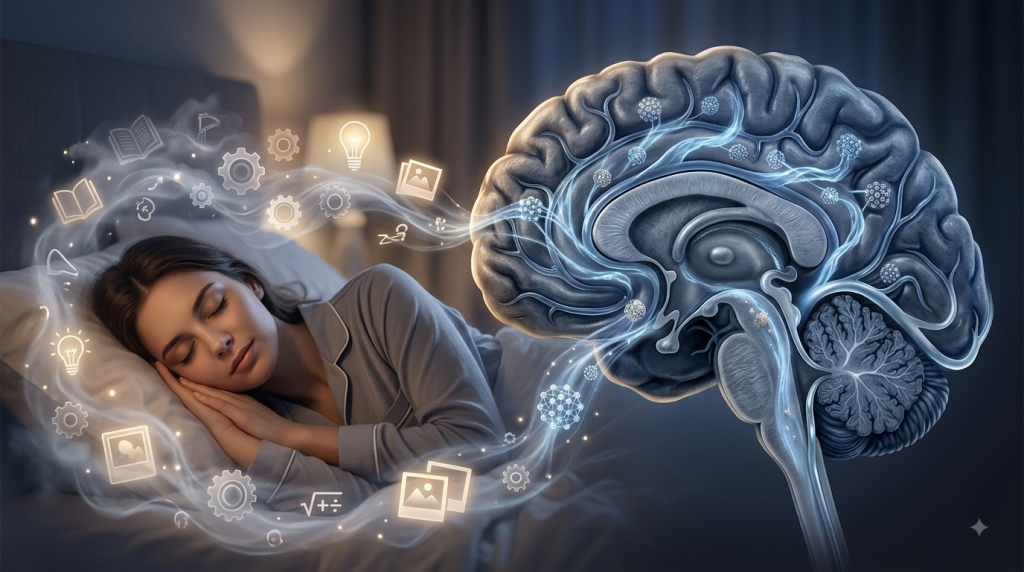
Sleep is one of the most important biological processes for maintaining a healthy brain. During sleep, the brain performs several essential functions that cannot be carried out effectively while you are awake.
These include:
- Consolidating memories
- Removing waste products from brain cells
- Supporting learning and concentration
- Regulating emotions
- Restoring energy levels
- Maintaining healthy nerve function
Research has shown that good sleep and brain health are closely connected. Adults who consistently get quality sleep often experience better memory, sharper thinking, and improved emotional well-being.
How Sleep Affects the Brain
Every night, your brain goes through different stages of sleep, each playing an important role in maintaining neurological health.
Memory and Learning
Sleep helps transfer information from short-term memory to long-term memory, making it easier to learn new skills and retain information.
Brain Repair
During deep sleep, the brain repairs damaged cells and supports healthy communication between nerve cells.
Removal of Brain Waste
Sleep activates the brain’s natural cleaning system, helping remove waste proteins that accumulate throughout the day.
Emotional Balance
Adequate sleep helps regulate mood and reduces stress, anxiety, and irritability.
Concentration and Decision-Making
Poor sleep can reduce attention span, slow reaction time, and affect judgement and problem-solving abilities.
This strong relationship between sleep and brain health highlights why quality sleep should never be overlooked.
What Happens When You Don’t Get Enough Sleep?
Sleep deprivation affects both physical and mental health.
Common effects include:
- Poor concentration
- Memory problems
- Daytime fatigue
- Mood changes
- Irritability
- Reduced productivity
- Headaches
- Slower reaction time
Long-term sleep deprivation has also been associated with an increased risk of stroke, cognitive decline, and certain neurological disorders.
Common Sleep Disorders
Sleep disorders are common and can significantly affect daily life if left untreated. Understanding the role of neurology and sleep helps identify when specialist care may be needed.
Insomnia
Insomnia is one of the most common sleep disorders.
Symptoms
- Difficulty falling asleep
- Frequent waking during the night
- Waking too early
- Feeling tired despite spending enough time in bed
Possible Causes
- Stress
- Anxiety
- Depression
- Chronic pain
- Certain medications
- Poor sleep habits
Persistent insomnia can affect memory, concentration, and emotional health.
Obstructive Sleep Apnoea
Sleep apnoea is a condition in which breathing repeatedly stops and starts during sleep.
Symptoms
- Loud snoring
- Gasping for air during sleep
- Morning headaches
- Excessive daytime sleepiness
- Poor concentration
Sleep apnoea reduces oxygen supply to the brain and should be evaluated promptly.
Restless Legs Syndrome (RLS)
Restless Legs Syndrome causes an uncontrollable urge to move the legs, especially while resting or during the evening.
Symptoms
- Tingling or crawling sensations
- Leg discomfort
- Difficulty falling asleep
- Frequent leg movements during sleep
RLS can significantly affect sleep quality and daily functioning.
Narcolepsy
Narcolepsy is a neurological disorder that affects the brain’s ability to regulate sleep and wakefulness.
Symptoms
- Excessive daytime sleepiness
- Sudden sleep attacks
- Muscle weakness triggered by emotions (cataplexy)
- Sleep paralysis in some individuals
Early diagnosis helps improve quality of life.
Who is at Risk of Sleep Disorders?
Several factors can increase the risk of developing sleep disorders, including:
- Ageing
- Stress and anxiety
- Obesity
- Irregular work schedules
- Excessive screen time
- Neurological disorders
- Chronic medical conditions
- Family history of sleep disorders
Recognising these risk factors allows for earlier intervention.
When Should You Consult a Neurologist?
Sleep problems are not always caused by lifestyle factors alone. You should seek medical advice if you experience:
- Difficulty sleeping for several weeks
- Loud snoring with breathing pauses
- Excessive daytime sleepiness
- Frequent morning headaches
- Restless legs that disturb sleep
- Memory or concentration problems related to poor sleep
- Sudden episodes of falling asleep during the day
Understanding the connection between neurology and sleep allows specialists to diagnose neurological conditions that may be affecting sleep quality.
How Are Sleep Disorders Diagnosed?
A neurologist will evaluate your symptoms and medical history before recommending appropriate investigations.
Diagnosis may include:
- Detailed sleep history
- Neurological examination
- Sleep diary
- Blood tests
- Polysomnography (sleep study)
- Brain imaging when clinically indicated
These investigations help identify the underlying cause and guide treatment.
Treatment Options for Sleep Disorders
Treatment depends on the type and severity of the condition.
Lifestyle Modifications
Simple lifestyle changes often improve sleep quality.
These include:
- Following a regular sleep schedule
- Limiting caffeine in the evening
- Avoiding heavy meals before bedtime
- Reducing screen time before sleep
- Exercising regularly
- Creating a comfortable sleep environment
Depending on the diagnosis, medications may be prescribed for conditions such as insomnia, restless legs syndrome, or narcolepsy. These should always be taken under medical supervision.
Continuous Positive Airway Pressure (CPAP)
For obstructive sleep apnoea, CPAP therapy helps keep the airway open during sleep and improves oxygen delivery.
Treating Underlying Neurological Conditions
Some sleep problems occur because of neurological disorders. Addressing the underlying neurological condition often improves sleep quality.
This highlights the close relationship between neurology and sleep in providing effective long-term treatment.
Improving your sleep habits can have a positive impact on sleep and brain health.
Follow these healthy sleep practices:
- Go to bed and wake up at the same time every day.
- Keep your bedroom cool, dark, and quiet.
- Avoid mobile phones and laptops before bedtime.
- Limit caffeine, nicotine, and alcohol in the evening.
- Exercise regularly but avoid vigorous workouts close to bedtime.
- Practise relaxation techniques such as meditation or deep breathing.
- Avoid daytime naps longer than 30 minutes.
- Seek medical advice if sleep problems persist.
Consistently following these habits can improve sleep quality and support long-term brain health.
Frequently Asked Questions
Why is sleep important for brain health?
Sleep allows the brain to repair itself, strengthen memory, regulate emotions, and remove waste products. Healthy sleep and brain health are closely connected.
How many hours of sleep do adults need?
Most adults require 7 to 9 hours of quality sleep each night.
Can poor sleep affect memory?
Yes. Poor sleep can reduce concentration, learning ability, and memory retention.
When should I seek medical help for sleep problems?
If sleep problems persist for several weeks, interfere with daily life, or are associated with excessive daytime sleepiness, consult a neurologist.
Are sleep disorders treatable?
Yes. Most sleep disorders can be effectively managed with lifestyle changes, medication, or specialised therapies depending on the underlying cause.
Conclusion
Quality sleep is essential for maintaining a healthy brain throughout life. From memory and concentration to emotional well-being and neurological function, sleep plays a vital role in overall health. Ignoring persistent sleep problems can affect your daily life and may increase the risk of serious neurological conditions.
Recognising the importance of sleep and brain health and understanding the relationship between neurology and sleep can help you seek timely medical care. Early diagnosis and treatment of sleep disorders can significantly improve both sleep quality and long-term brain health.
Struggling with Sleep? Consult Dr. Sonalika Behera
If you have difficulty falling asleep, wake up feeling tired, or suspect you may have one of the common sleep disorders, don’t ignore the symptoms.
Dr. Sonalika Behera provides expert evaluation and personalised treatment for a wide range of neurological conditions affecting sleep. Whether your concerns involve insomnia, sleep apnoea, restless legs syndrome, or other conditions related to neurology and sleep, expert care can help you achieve better sleep and better brain health.
Book your consultation today and take the first step towards healthier sleep and a healthier brain.
Stroke Rehabilitation and Recovery: What Families Need to Know
Introduction
A stroke can change a person’s life within minutes. It may affect movement, speech, memory, swallowing, vision, and emotional well-being. While emergency treatment is critical, the journey does not end after leaving the hospital. Recovery is an ongoing process that requires patience, expert medical care, rehabilitation, and strong family support.
The good news is that many stroke survivors regain independence with timely and comprehensive rehabilitation. Understanding the stages of stroke recovery and the importance of post-stroke rehabilitation can help families provide the right support at every step.
If you are looking for expert stroke rehabilitation in Cuttack, early intervention and a personalised rehabilitation plan can significantly improve recovery outcomes.
What is Stroke Rehabilitation?
Stroke rehabilitation is a structured programme designed to help stroke survivors regain lost abilities, improve independence, and enhance their quality of life.
Rehabilitation focuses on helping patients recover physical, cognitive, communication, and emotional functions affected by the stroke.
The goals of post-stroke rehabilitation include:
- Improving mobility and balance
- Restoring speech and communication
- Regaining independence in daily activities
- Improving memory and thinking skills
- Preventing complications
- Reducing the risk of another stroke
Starting rehabilitation as early as medically possible often leads to better stroke recovery outcomes.
Why is Early Stroke Rehabilitation Important?
The brain has an incredible ability to adapt after injury through a process known as neuroplasticity. During rehabilitation, healthy areas of the brain can learn to take over some of the functions damaged by the stroke.
Early post-stroke rehabilitation can help:
- Improve muscle strength
- Restore movement
- Reduce disability
- Improve speech and swallowing
- Increase independence
- Prevent joint stiffness and muscle weakness
- Improve overall quality of life
Patients who begin rehabilitation early often achieve better long-term results.
Understanding the Stroke Recovery Timeline
Every stroke survivor recovers differently. Recovery depends on factors such as the type of stroke, the area of the brain affected, the severity of damage, age, and overall health.
First Few Days
During the initial hospital stay, doctors stabilise the patient’s condition and begin assessing neurological damage.
Early rehabilitation may include:
- Gentle movement exercises
- Sitting up safely
- Swallowing assessment
- Speech evaluation
- Preventing complications
First Three Months
This is often the most active period of stroke recovery.
Many patients experience significant improvement in:
- Walking
- Arm and hand movement
- Speech
- Balance
- Daily activities
Regular therapy during this phase plays a major role in recovery.
Three to Six Months
Recovery continues, although progress may become slower.
Patients often focus on:
- Strength building
- Improving coordination
- Fine motor skills
- Returning to work or social activities
- Increasing independence
Beyond Six Months
Recovery can continue for months or even years.
With consistent post-stroke rehabilitation, many people continue to improve their mobility, communication, and confidence over time.
Types of Post-Stroke Rehabilitation
Successful recovery often requires a multidisciplinary approach involving different rehabilitation therapies.
Physical Therapy
Physical therapy helps patients regain strength, balance, flexibility, and mobility.
Goals include:
- Improving walking ability
- Strengthening weak muscles
- Improving balance
- Preventing falls
- Increasing endurance
Physical therapy is one of the most important components of stroke rehabilitation in Cuttack.
Occupational Therapy
Occupational therapy helps patients regain independence in everyday activities.
Therapists focus on helping patients perform tasks such as:
- Dressing
- Bathing
- Eating
- Writing
- Cooking
- Household activities
Adaptive equipment may also be recommended to make daily tasks easier.
Speech and Language Therapy
Many stroke survivors experience communication or swallowing difficulties.
Speech therapy helps improve:
- Speaking
- Understanding language
- Reading
- Writing
- Swallowing safely
Early speech therapy can greatly improve communication and confidence.
Cognitive Rehabilitation
Some stroke survivors experience problems with memory, attention, or decision-making.
Cognitive rehabilitation helps improve:
- Memory
- Concentration
- Problem-solving
- Planning
- Decision-making
These skills are essential for returning to independent living.
Psychological Support
Stroke recovery is not only physical. Emotional health is equally important.
Counselling and psychological support help patients cope with:
- Anxiety
- Depression
- Mood changes
- Fear of another stroke
- Loss of confidence
Supporting emotional well-being is an important part of successful post-stroke rehabilitation.
Common Challenges During Stroke Recovery
Recovery after a stroke is different for every individual. Some common challenges include:
- Weakness on one side of the body
- Difficulty walking
- Speech problems
- Swallowing difficulties
- Memory loss
- Poor coordination
- Vision problems
- Fatigue
- Emotional changes
Recognising these challenges allows families and healthcare professionals to provide appropriate support.
A stroke can have a significant emotional impact on both patients and their families.
Stroke survivors may experience:
- Frustration
- Anxiety
- Depression
- Anger
- Social withdrawal
- Loss of confidence
Family members can support recovery by:
- Encouraging small achievements
- Being patient during communication
- Including the patient in family activities
- Celebrating progress
- Offering emotional reassurance
- Encouraging regular therapy sessions
A positive environment can greatly improve stroke recovery.
Caregiver Tips for Supporting Stroke Recovery
Family caregivers play a vital role in helping stroke survivors regain independence.
Encourage Regular Therapy
Consistency is essential. Attend all rehabilitation appointments and encourage home exercises recommended by therapists.
Create a Safe Home Environment
Reduce the risk of falls by:
- Removing loose rugs
- Installing grab bars
- Improving lighting
- Keeping walkways clear
Promote Independence
Allow the patient to perform tasks independently whenever possible, even if it takes longer.
Maintain Healthy Lifestyle Habits
Encourage:
- A balanced diet
- Regular physical activity
- Adequate sleep
- Blood pressure control
- Diabetes management
- Smoking cessation if applicable
Watch for Signs of Depression
Emotional changes are common after stroke. Seek medical advice if the patient becomes withdrawn, hopeless, or loses interest in daily activities.
Learn About Stroke
Understanding the recovery process helps caregivers provide better support and set realistic expectations.
Preventing Another Stroke
Preventing a second stroke is an essential part of long-term recovery.
Your neurologist may recommend:
- Taking prescribed medications regularly
- Controlling high blood pressure
- Managing diabetes
- Lowering cholesterol
- Following a heart-healthy diet
- Exercising regularly
- Maintaining a healthy weight
- Avoiding tobacco and limiting alcohol
- Attending regular follow-up appointments
These measures support both long-term health and successful stroke recovery.
When Should You Consult a Neurologist During Recovery?
Seek medical advice if the stroke survivor experiences:
- New weakness or numbness
- Difficulty speaking
- Sudden vision changes
- Severe headaches
- Difficulty swallowing
- Frequent falls
- Worsening memory problems
- Symptoms of depression or anxiety
- No improvement despite rehabilitation
Regular neurological follow-up ensures the rehabilitation plan is adjusted as recovery progresses.
Why Choose Professional Stroke Rehabilitation?
Professional rehabilitation provides structured, evidence-based care tailored to each patient’s needs.
Expert stroke rehabilitation in Cuttack offers:
- Personalised rehabilitation plans
- Comprehensive neurological assessment
- Multidisciplinary therapy
- Progress monitoring
- Family education
- Long-term recovery support
Early and consistent rehabilitation gives patients the best opportunity to regain independence.
Frequently Asked Questions
How long does stroke recovery take?
Recovery varies from person to person. Some patients improve within weeks, while others continue recovering for months or years with ongoing post-stroke rehabilitation.
Can a person fully recover after a stroke?
Many people regain significant function, especially when rehabilitation begins early. The degree of recovery depends on the severity and location of the stroke.
When should rehabilitation begin?
Rehabilitation usually starts as soon as the patient’s condition is medically stable, often within the first few days after a stroke.
Is speech therapy necessary after every stroke?
Not always. Speech therapy is recommended for patients who have difficulty speaking, understanding language, or swallowing.
Why is family support important during stroke recovery?
Family members encourage therapy participation, provide emotional support, and help patients regain confidence throughout the stroke recovery journey.
Conclusion
Recovering from a stroke is a journey that requires time, determination, expert medical care, and family support. Early post-stroke rehabilitation, regular therapy, and a positive home environment can make a meaningful difference in helping stroke survivors regain independence and improve their quality of life.
Understanding the recovery timeline, participating in rehabilitation, and supporting healthy lifestyle changes are all essential steps towards successful stroke recovery. With the right guidance and commitment, many stroke survivors continue to make progress long after leaving the hospital.
Support Your Loved One’s Recovery—Consult Dr. Behera
If your family member is recovering from a stroke, don’t navigate the journey alone. Expert neurological care and personalised rehabilitation can improve recovery, restore independence, and enhance quality of life.
For comprehensive stroke rehabilitation in cuttack, expert guidance on post-stroke rehabilitation, and ongoing support throughout stroke recovery, consult Dr. Behera.
Book your consultation today and give your loved one the best possible chance for a stronger recovery.
The Link Between Sleep and Brain Health: Why Rest Matters
Introduction
Sleep is often overlooked in today’s fast-paced lifestyle, yet it is one of the most important pillars of good health. While your body rests during sleep, your brain remains highly active, performing essential functions that support memory, learning, emotional well-being, and overall neurological health.
Poor sleep doesn’t just make you feel tired the next day. Over time, inadequate or poor-quality sleep can affect concentration, mood, memory, decision-making, and even increase the risk of several neurological disorders. Understanding the connection between sleep and brain health can help you recognise when sleep problems require medical attention.
If you regularly struggle to fall asleep, wake up feeling unrefreshed, or experience excessive daytime sleepiness, it may be time to consult a neurologist. Many sleep disorders can be effectively diagnosed and treated, helping you improve both your sleep and your brain health.
What is the Connection Between Sleep and Brain Health?
Sleep is not simply a period of inactivity. It is a highly organised biological process during which the brain repairs itself, stores memories, regulates hormones, and clears waste products that accumulate throughout the day.
Healthy sleep and brain health are closely linked because sleep supports several vital brain functions, including:
- Memory formation
- Learning and concentration
- Emotional regulation
- Brain cell repair
- Hormone balance
- Healthy nerve communication
- Waste removal from the brain
Without enough quality sleep, these processes become less effective, leading to physical, emotional, and cognitive problems.
How Sleep Affects the Brain
Every stage of sleep plays an important role in maintaining neurological health.
Improves Memory and Learning
During sleep, the brain processes and stores information gathered throughout the day. This helps improve learning, memory retention, and problem-solving skills.
Students, professionals, and older adults all benefit from healthy sleep habits.
Supports Brain Repair
While you sleep, your brain repairs damaged cells and strengthens the connections between nerve cells.
This repair process is essential for maintaining long-term neurological function.
Removes Waste Products
The brain has a natural waste-clearing system that becomes most active during deep sleep.
This process removes harmful proteins and toxins that build up while you are awake, helping protect long-term sleep and brain health.
Regulates Mood and Emotions
Poor sleep affects the parts of the brain responsible for emotional control.
People who do not get enough sleep are more likely to experience:
- Irritability
- Anxiety
- Mood swings
- Depression
- Difficulty coping with stress
Improves Concentration and Decision-Making
Adequate sleep improves:
- Focus
- Attention
- Reaction time
- Creativity
- Decision-making
- Productivity
Even one night of poor sleep can reduce mental performance.
What Happens When You Don’t Get Enough Sleep?
Lack of sleep affects almost every system in the body, particularly the brain.
Common effects include:
- Daytime fatigue
- Poor concentration
- Memory problems
- Frequent headaches
- Reduced productivity
- Mood changes
- Slower reaction time
- Difficulty making decisions
Over time, chronic sleep deprivation may increase the risk of neurological conditions, cardiovascular disease, diabetes, and mental health disorders.
Common Sleep Disorders
Millions of people experience sleep disorders, yet many remain undiagnosed. Understanding the relationship between neurology and sleep helps identify conditions that require specialist care.
Insomnia
Insomnia is one of the most common sleep disorders and affects a person’s ability to fall asleep, stay asleep, or return to sleep after waking.
Symptoms
- Difficulty falling asleep
- Frequent night-time awakenings
- Waking too early
- Feeling tired despite sleeping
- Daytime fatigue
Common Causes
- Stress
- Anxiety
- Depression
- Chronic pain
- Certain medications
- Poor sleep habits
Persistent insomnia can negatively affect both sleep and brain health if left untreated.
Obstructive Sleep Apnea
Sleep apnea occurs when breathing repeatedly stops and starts during sleep due to airway blockage.
Symptoms
- Loud snoring
- Gasping or choking during sleep
- Morning headaches
- Dry mouth
- Excessive daytime sleepiness
- Difficulty concentrating
Because sleep apnea reduces oxygen supply to the brain, early diagnosis and treatment are important.
Restless Legs Syndrome (RLS)
Restless Legs Syndrome is a neurological condition that causes an irresistible urge to move the legs, especially during periods of rest.
Symptoms
- Tingling sensations
- Crawling or burning feelings
- Leg discomfort at night
- Difficulty falling asleep
- Frequent leg movements during sleep
RLS often interferes with restful sleep and can significantly reduce quality of life.
Narcolepsy
Narcolepsy is a chronic neurological disorder that affects the brain’s ability to regulate sleep and wakefulness.
Symptoms
- Excessive daytime sleepiness
- Sudden sleep attacks
- Sleep paralysis
- Muscle weakness triggered by strong emotions (cataplexy)
Although less common, narcolepsy requires specialist neurological evaluation.
Who is at Risk of Sleep Disorders?
Anyone can develop sleep disorders, but certain factors increase the risk.
These include:
- Increasing age
- High stress levels
- Anxiety or depression
- Obesity
- Diabetes
- Neurological disorders
- Shift work
- Excessive screen time
- Smoking
- Family history
Recognising these risk factors can help people seek treatment before symptoms worsen.
Signs You Shouldn’t Ignore
You should consult a neurologist if you experience:
- Difficulty sleeping for more than three weeks
- Loud snoring with pauses in breathing
- Excessive daytime sleepiness
- Frequent morning headaches
- Restless legs affecting sleep
- Sudden episodes of falling asleep during the day
- Poor memory due to lack of sleep
- Difficulty concentrating at work or school
Persistent sleep problems may indicate an underlying neurological condition requiring specialised evaluation.
How Are Sleep Disorders Diagnosed?
Understanding neurology and sleep allows neurologists to identify the root cause of sleep problems rather than simply treating the symptoms.
Diagnosis may include:
- Detailed medical history
- Sleep history assessment
- Neurological examination
- Sleep diary
- Blood investigations
- Overnight sleep study (Polysomnography)
- Brain imaging if clinically indicated
These tests help determine the most appropriate treatment plan.
Treatment Options for Sleep Disorders
Treatment depends on the underlying condition and severity of symptoms.
Lifestyle Modifications
Simple lifestyle changes can greatly improve sleep quality.
These include:
- Following a consistent sleep schedule
- Avoiding caffeine late in the day
- Reducing screen time before bed
- Exercising regularly
- Creating a quiet and comfortable bedroom
- Avoiding heavy meals before bedtime
Medications
Certain sleep disorders may require medication under the supervision of a neurologist.
Treatment is tailored to the specific diagnosis and individual needs.
CPAP Therapy
Patients with obstructive sleep apnea may benefit from Continuous Positive Airway Pressure (CPAP), which helps keep the airway open during sleep.
Treating Neurological Conditions
Some sleep problems occur due to underlying neurological disorders.
Managing these neurological conditions often improves sleep quality, highlighting the close relationship between neurology and sleep.
Tips for Better Sleep
Healthy habits can improve both your sleep quality and long-term brain health.
Follow these practical tips:
- Go to bed and wake up at the same time every day.
- Aim for 7 to 9 hours of sleep each night.
- Avoid mobile phones, laptops, and television before bedtime.
- Reduce caffeine and alcohol consumption in the evening.
- Exercise regularly but avoid intense workouts close to bedtime.
- Keep your bedroom cool, dark, and quiet.
- Practise relaxation techniques such as meditation or deep breathing.
- Avoid long daytime naps.
- Follow your doctor’s treatment plan if you have a diagnosed sleep disorder.
Small lifestyle changes can make a significant difference to sleep and brain health.
Why Good Sleep Matters Throughout Life
Healthy sleep supports brain function at every stage of life.
Children need quality sleep for learning and development.
Adults rely on sleep for productivity, concentration, and emotional well-being.
Older adults benefit from healthy sleep to support memory, cognitive function, and overall neurological health.
Regardless of age, prioritising sleep and brain health contributes to better physical and mental well-being.
Frequently Asked Questions
Why is sleep important for brain health?
Sleep allows the brain to repair itself, strengthen memory, regulate emotions, and remove waste products. Healthy sleep and brain health are closely connected.
How many hours of sleep do adults need?
Most healthy adults require between 7 and 9 hours of quality sleep each night.
Can poor sleep affect memory?
Yes. Chronic sleep deprivation can reduce memory, concentration, learning ability, and decision-making.
Are sleep disorders treatable?
Yes. Most sleep disorders can be effectively managed through lifestyle changes, medication, specialised therapies, or treatment of underlying neurological conditions.
When should I consult a neurologist?
If sleep problems persist for several weeks, interfere with daily life, or are associated with excessive daytime sleepiness, loud snoring, or restless legs, consult a neurologist for evaluation.
Conclusion
Sleep is essential for maintaining a healthy brain and overall well-being. From improving memory and concentration to regulating emotions and repairing brain cells, quality sleep supports nearly every aspect of neurological health. Ignoring persistent sleep problems can affect your daily life and may increase the risk of long-term health complications.
Understanding the connection between sleep and brain health, recognising common sleep disorders, and seeking expert care when needed can help you enjoy better sleep and better neurological health. Early diagnosis and appropriate treatment often lead to significant improvements in both sleep quality and quality of life.
Struggling with Sleep? Consult Dr. Behera
If you have difficulty sleeping, wake up feeling tired, or experience symptoms of common sleep disorders, don’t ignore the warning signs.
Dr. Behera provides expert evaluation and personalised treatment for conditions affecting sleep and brain health. Whether you’re dealing with insomnia, sleep apnea, restless legs syndrome, or other concerns related to neurology and sleep, timely medical care can help you achieve healthier sleep and improved brain function.
Book your consultation today and take the first step towards better sleep and better brain health.