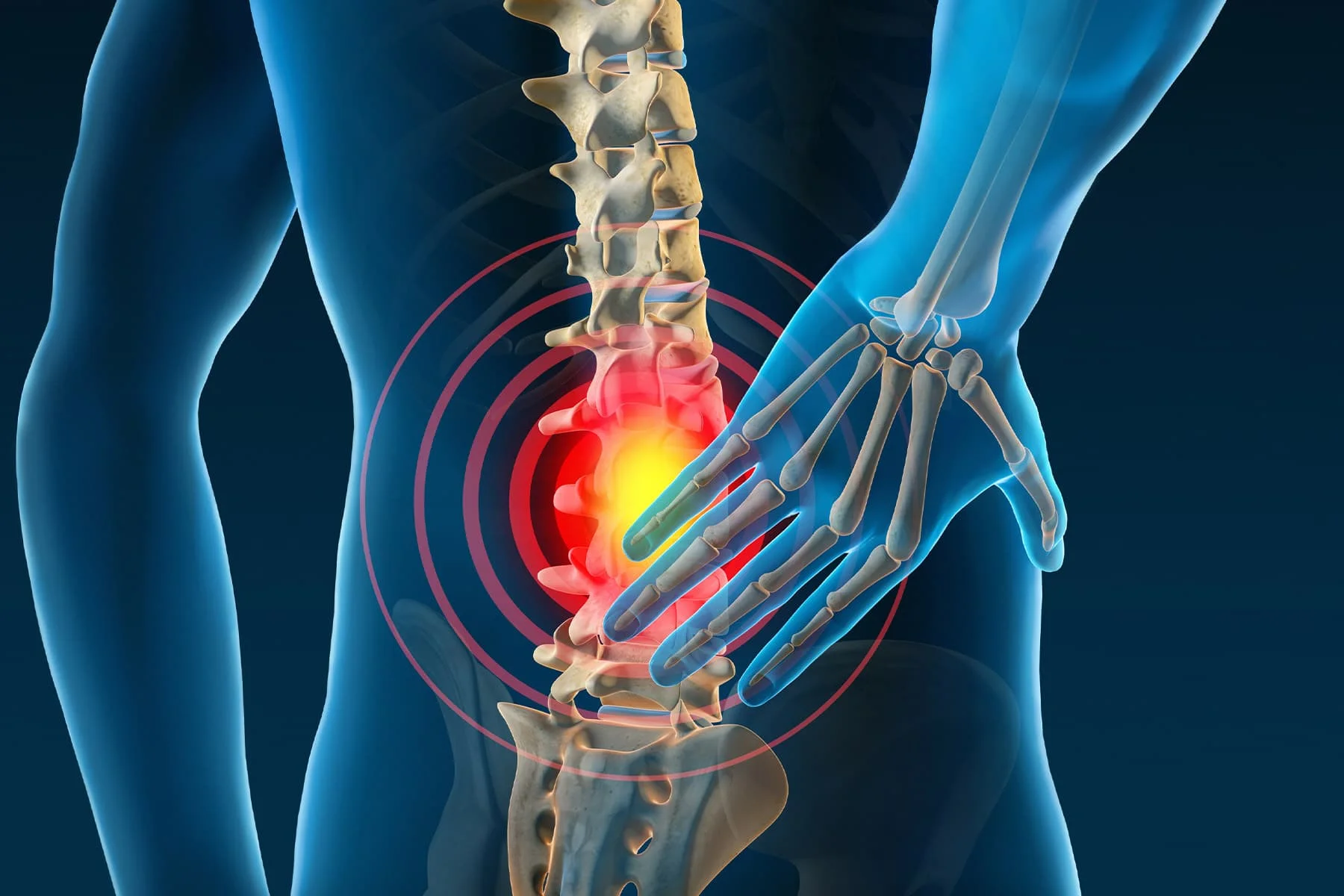
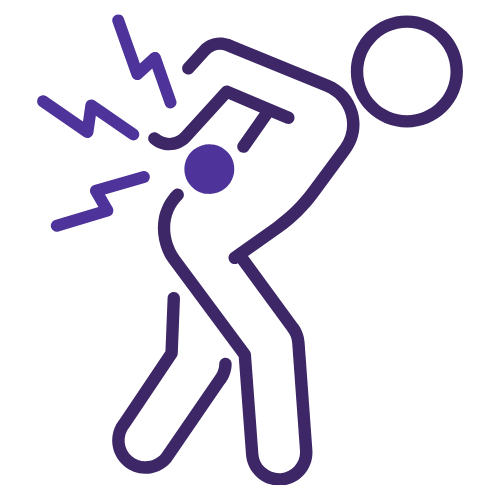
Back pain is a common condition that affects the lower, middle, or upper back and can range from mild discomfort to severe, disabling pain. It may develop suddenly due to injury or gradually due to poor posture, muscle strain, or underlying spinal or neurological conditions. Back pain can interfere with daily activities, mobility, and overall quality of life. Early evaluation and appropriate treatment help relieve pain, restore movement, and prevent long-term complications.
Back pain is classified based on its duration and underlying cause.
Acute Back Pain: Short-term pain usually caused by muscle strain or injury.
Chronic Back Pain: Pain lasting more than three months.
Mechanical Back Pain: Related to muscles, joints, or posture.
Neuropathic Back Pain: Caused by nerve compression or spinal conditions.
Back pain symptoms vary depending on severity and cause.
Persistent or sharp pain in the back
Pain that worsens with movement or activity
Stiffness or reduced flexibility
Pain radiating to the legs or arms
Numbness, tingling, or weakness
Back pain may result from lifestyle, mechanical, or medical factors.
Poor posture or prolonged sitting
Muscle strain or ligament injury
Slipped disc or spinal degeneration
Obesity or lack of physical activity
Arthritis or nerve compression
Types
Symptoms
Causes
Back pain is classified based on its duration and underlying cause.
Acute Back Pain: Short-term pain usually caused by muscle strain or injury.
Chronic Back Pain: Pain lasting more than three months.
Mechanical Back Pain: Related to muscles, joints, or posture.
Neuropathic Back Pain: Caused by nerve compression or spinal conditions.
Back pain symptoms vary depending on severity and cause.
Persistent or sharp pain in the back
Pain that worsens with movement or activity
Stiffness or reduced flexibility
Pain radiating to the legs or arms
Numbness, tingling, or weakness
Back pain may result from lifestyle, mechanical, or medical factors.
Poor posture or prolonged sitting
Muscle strain or ligament injury
Slipped disc or spinal degeneration
Obesity or lack of physical activity
Arthritis or nerve compression
Treatment for
Back Pain
Back pain treatment focuses on identifying the root cause, relieving pain, and improving spinal function. Management may include medications, physiotherapy, posture correction, and lifestyle modifications. In chronic or nerve-related cases, neurological evaluation and specialized treatment plans help reduce pain, prevent recurrence, and improve long-term mobility.