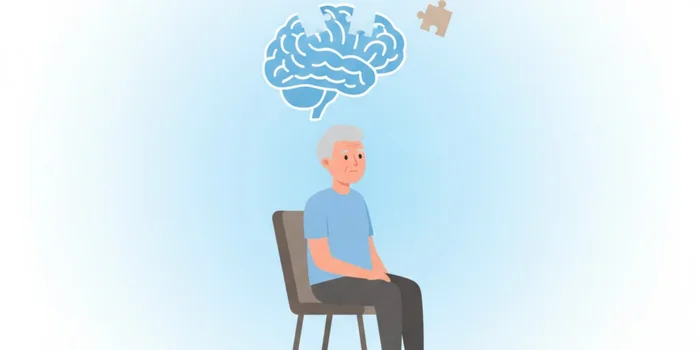
Dementia is a condition that affects memory, thinking, behavior, and daily functioning. It is not a single disease but a group of symptoms caused by disorders affecting the brain, commonly seen in older adults.
Dementia includes different types, each affecting the brain in its own way.
Frontotemporal Dementia: Mainly impacts behavior, personality, and speech abilities.
Lewy Body Dementia: Affects thinking, alertness, and movement control.
Vascular Dementia: Occurs due to reduced blood flow to the brain, often after a stroke.
Alzheimer’s Disease: The most common type, causing gradual memory loss and confusion.
Dementia causes gradual changes in mental ability and daily functioning.
Memory loss
Confusion and poor understanding
Speech and communication problems
Mood and behavior changes
Difficulty with daily activities
Dementia occurs due to damage or loss of brain cells.
Aging and genetic factors
Stroke or reduced brain blood flow
Head injury or brain infection
Long-term diseases like diabetes or high blood pressure
Types
Symptoms
Causes
Dementia includes different types, each affecting the brain in its own way.
Frontotemporal Dementia: Mainly impacts behavior, personality, and speech abilities.
Lewy Body Dementia: Affects thinking, alertness, and movement control.
Vascular Dementia: Occurs due to reduced blood flow to the brain, often after a stroke.
Alzheimer’s Disease: The most common type, causing gradual memory loss and confusion.
Dementia causes gradual changes in mental ability and daily functioning.
Memory loss
Confusion and poor understanding
Speech and communication problems
Mood and behavior changes
Difficulty with daily activities
Dementia occurs due to damage or loss of brain cells.
Aging and genetic factors
Stroke or reduced brain blood flow
Head injury or brain infection
Long-term diseases like diabetes or high blood pressure
Treatment for
Dementia
Dementia treatment focuses on slowing disease progression, managing symptoms, and improving quality of life. It may include medications to support memory and thinking, therapies to enhance cognitive function, and lifestyle changes such as healthy diet, regular exercise, and proper sleep. Emotional support, counseling, and caregiver guidance play an important role, along with treating underlying conditions like diabetes, high blood pressure, or stroke to prevent further brain damage.