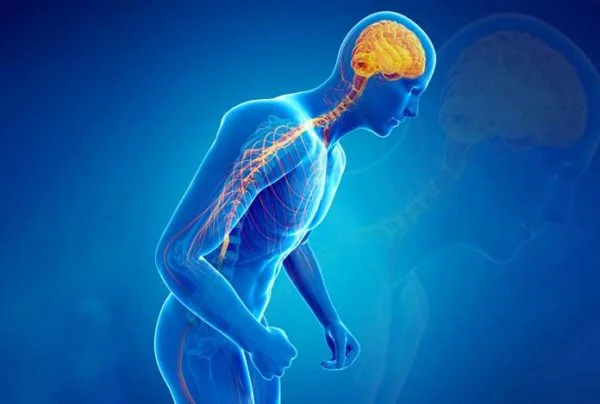
Parkinson’s disease is a progressive neurological disorder that affects movement and coordination due to the gradual loss of dopamine-producing cells in the brain. It commonly develops over time and can impact daily activities such as walking, speaking, and writing. Although Parkinson’s disease cannot be cured, early diagnosis and proper treatment can significantly help manage symptoms, slow disease progression, and improve quality of life.
Parkinson’s disease is categorized based on symptom patterns and progression.
Idiopathic Parkinson’s Disease: The most common form with no clear known cause.
Atypical Parkinsonism: Includes conditions that resemble Parkinson’s but progress differently.
Drug-Induced Parkinsonism: Caused by certain medications affecting dopamine levels.
Vascular Parkinsonism: Resulting from multiple small strokes affecting movement control.
Symptoms usually develop gradually and worsen over time.
Tremors or shaking, especially at rest
Muscle stiffness or rigidity
Slowed movements (bradykinesia)
Difficulty with balance and coordination
Changes in speech or handwriting
Parkinson’s disease occurs due to neurological and genetic factors.
Loss of dopamine-producing brain cells
Genetic predisposition
Aging-related brain changes
Exposure to certain toxins
History of brain injury
Types
Symptoms
Causes
Parkinson’s disease is categorized based on symptom patterns and progression.
Idiopathic Parkinson’s Disease: The most common form with no clear known cause.
Atypical Parkinsonism: Includes conditions that resemble Parkinson’s but progress differently.
Drug-Induced Parkinsonism: Caused by certain medications affecting dopamine levels.
Vascular Parkinsonism: Resulting from multiple small strokes affecting movement control.
Symptoms usually develop gradually and worsen over time.
Tremors or shaking, especially at rest
Muscle stiffness or rigidity
Slowed movements (bradykinesia)
Difficulty with balance and coordination
Changes in speech or handwriting
Parkinson’s disease occurs due to neurological and genetic factors.
Loss of dopamine-producing brain cells
Genetic predisposition
Aging-related brain changes
Exposure to certain toxins
History of brain injury
Treatment for
Parkinson’s Disease
Treatment for Parkinson’s disease focuses on managing symptoms, improving mobility, and enhancing daily functioning. Management may include medications that help restore dopamine balance, physiotherapy, speech therapy, and lifestyle modifications. Regular neurological follow-up and personalized treatment plans play a vital role in maintaining independence and improving long-term outcomes.