Sleep Disorder (ନିଦ୍ରାହୀନତା)

What Is a Sleep Disorder?

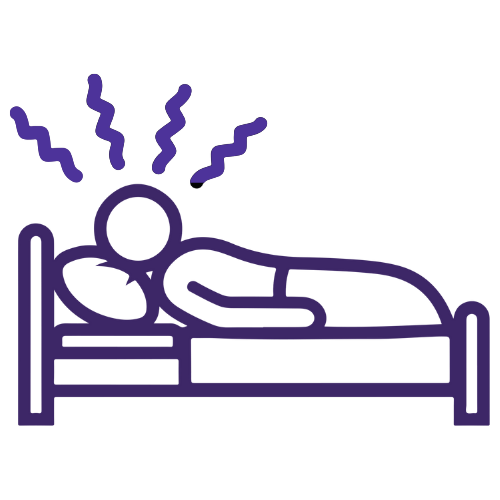
A sleep disorder is a condition that affects the quality, timing, or duration of sleep, leading to daytime fatigue, reduced concentration, and impaired physical and mental health. Sleep disorders can interfere with normal daily functioning and may be linked to neurological, medical, or lifestyle factors. Proper diagnosis and timely treatment are essential to restore healthy sleep patterns and overall well-being.

All About

Sleep Disorder

  • Types
  • Symptoms
  • Causes

Sleep disorders are classified based on sleep pattern disturbances.

  • Insomnia: Difficulty falling asleep or staying asleep.

  • Sleep Apnea: Repeated pauses in breathing during sleep.

  • Restless Legs Syndrome (RLS): Uncomfortable sensations in the legs with an urge to move them.

  • Narcolepsy: Excessive daytime sleepiness with sudden sleep attacks.

Sleep disorder symptoms affect both night-time sleep and daily functioning.

  • Difficulty falling or staying asleep

  • Excessive daytime sleepiness or fatigue

  • Loud snoring or breathing interruptions

  • Poor concentration and memory issues

  • Mood changes such as irritability or anxiety

Sleep disorders may occur due to medical, neurological, or lifestyle factors.

  • Stress, anxiety, or depression

  • Neurological conditions

  • Obesity or hormonal imbalance

  • Irregular sleep schedules

  • Excessive caffeine or screen exposure

  • Types
  • Symptoms
  • Causes

Sleep disorders are classified based on sleep pattern disturbances.

  • Insomnia: Difficulty falling asleep or staying asleep.

  • Sleep Apnea: Repeated pauses in breathing during sleep.

  • Restless Legs Syndrome (RLS): Uncomfortable sensations in the legs with an urge to move them.

  • Narcolepsy: Excessive daytime sleepiness with sudden sleep attacks.

Sleep disorder symptoms affect both night-time sleep and daily functioning.

  • Difficulty falling or staying asleep

  • Excessive daytime sleepiness or fatigue

  • Loud snoring or breathing interruptions

  • Poor concentration and memory issues

  • Mood changes such as irritability or anxiety

Sleep disorders may occur due to medical, neurological, or lifestyle factors.

  • Stress, anxiety, or depression

  • Neurological conditions

  • Obesity or hormonal imbalance

  • Irregular sleep schedules

  • Excessive caffeine or screen exposure

Treatment for

Sleep Disorder

Treatment for sleep disorders focuses on identifying the root cause and improving sleep quality. Management may include sleep hygiene guidance, lifestyle changes, medical therapy, and treatment of underlying neurological conditions. Personalized treatment plans help regulate sleep cycles, reduce fatigue, and enhance overall physical and mental health.

Other Treatments

Frequently Asked Questions

Untreated sleep disorders can lead to long-term health complications.

Yes, many sleep disorders improve with lifestyle and behavioral changes.

Yes, excessive screen exposure can disrupt natural sleep patterns.

Poor sleep can reduce focus, productivity, and emotional well-being.

Book Your Appointment Today

Personalized care for a healthier brain.

Call Now Button