

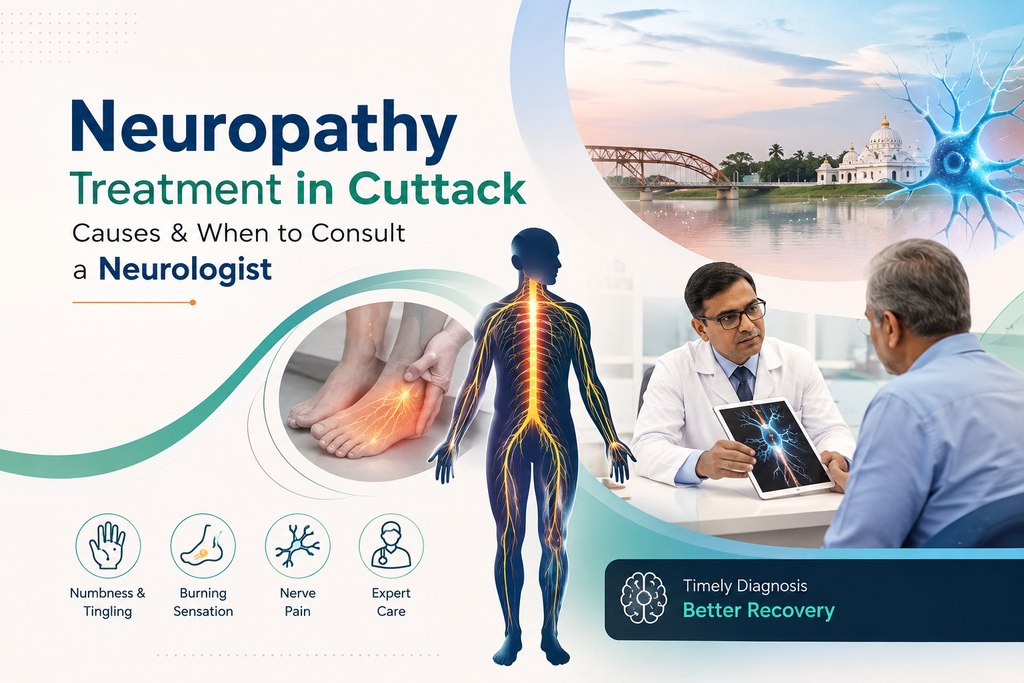
Rupa had been managing her diabetes for years when she noticed a strange tingling in her feet. At first, it was just an occasional nuisance—like pins and needles after sitting too long. But then the burning sensation started, keeping her awake at night. She told herself it was nothing serious. By the time she finally consulted a neurologist in Cuttack, the nerve damage had progressed significantly.
Rupa’s story is not uncommon. Many people dismiss the early warning signs of neuropathy, unaware that timely medical evaluation can make a meaningful difference. Neuropathy treatment in Cuttack is now more accessible than ever, but the first step begins with recognizing the symptoms.
What Is Neuropathy?
Peripheral neuropathy refers to damage or dysfunction of the peripheral nerves the vast network of nerves that connect your brain and spinal cord to the rest of your body. These nerves carry messages about sensation, movement, and automatic functions like digestion.
When these nerves are damaged, signals become scrambled. You might feel pain when there is no injury, or you might lose sensation and not feel a cut or burn on your foot. The condition affects approximately 1% of adults worldwide, and this number rises to 6–10% among people over 60.
Common Symptoms of Neuropathy
Neuropathy symptoms vary depending on which nerves are affected, but the most common signs include:
- Numbness or reduced ability to feel pain or temperature changes, especially in the feet and hands
- Tingling or a “pins and needles” sensation
- Burning sensation, particularly in the feet (often described as “burning feet” syndrome)
- Increased sensitivity to touch—even light pressure may feel painful
- Muscle weakness, cramping, or twitching
- Balance problems and difficulty walking
- Dry or cracked skin on the feet, with slow-healing cuts or sores
Symptoms typically start in the toes and feet and gradually move upward in a “stocking and glove” pattern.
What Causes Neuropathy?
There are over 200 known causes of neuropathy, but some are far more common than others:
Diabetes
Diabetes is the leading cause of neuropathy, accounting for more than half of all cases. About 20–40% of people with diabetes develop peripheral neuropathy. High blood sugar damages the small blood vessels that nourish nerves, leading to progressive damage over time.
Vitamin Deficiencies
Vitamin B12 deficiency is a particularly common and treatable cause of neuropathy. Other nutritional deficiencies can also affect nerve health.
Alcohol-Related Nerve Damage
Excessive alcohol consumption over many years can damage peripheral nerves.
Medications and Toxins
Certain medications, including some chemotherapy drugs and amiodarone, can cause neuropathy. Exposure to heavy metals and other environmental toxins may also be responsible.
Systemic Diseases
Conditions such as kidney disease, hypothyroidism, and certain blood disorders can lead to nerve damage.
Autoimmune Conditions
Guillain-Barré syndrome, chronic inflammatory demyelinating polyneuropathy (CIDP), and other autoimmune disorders can attack the peripheral nerves.
Infections
Shingles, HIV, and Lyme disease can cause neuropathy in some patients.
Idiopathic Neuropathy
In about 25% of cases, no clear cause is identified. This is called idiopathic neuropathy.
Diabetes and Neuropathy
For people living with diabetes, neuropathy is a serious complication that requires active management. High blood sugar gradually damages both the nerves and the tiny blood vessels that supply them. The risk increases with age, duration of diabetes, and how well blood sugar is controlled.
The clinical focus should be on prevention through optimal blood glucose management and early recognition of symptoms. People with type 2 diabetes should be screened for neuropathy at diagnosis, and at least annually thereafter.
When Should You Consult a Neurologist?
While occasional tingling from sitting in an awkward position is harmless, certain symptoms should prompt a professional evaluation. A neurologist in Cuttack can help determine the underlying cause and recommend appropriate treatment.
See a neurologist if you experience:
- Persistent or worsening numbness, tingling, or pain despite over-the-counter treatments
- New areas of numbness or weakness that are spreading
- Loss of balance or coordination affecting daily activities
- Unexplained foot sores or infections that are slow to heal
- Nerve pain that disrupts sleep, work, or daily functioning
- Symptoms that progress rapidly over days to weeks
How Is Neuropathy Diagnosed?

When you visit a neurologist for neuropathy evaluation, they will typically:
- Take a detailed medical history – including your symptoms, diabetes control, medications, and lifestyle factors
- Perform a neurological examination – checking reflexes, sensation (temperature, vibration, and touch), and muscle strength
- Order blood tests – to check for diabetes, vitamin B12 deficiency, thyroid problems, and other possible causes
- Conduct nerve conduction studies (NCS) – measuring how fast electrical signals travel through your nerves
- Perform electromyography (EMG) – assessing the electrical activity in your muscles
These tests help identify the location, type, and extent of nerve damage, guiding appropriate treatment.
Neuropathy Treatment in Cuttack: What Treatment May Involve
Treatment for neuropathy depends on the underlying cause. Neuropathy treatment in Cuttack typically involves a combination of approaches:
Treating the Underlying Cause
- For diabetes: Improving blood glucose control is essential to prevent further damage
- For vitamin B12 deficiency: B12 supplementation through diet (salmon, sardines, beef, liver, eggs) or injections
- For alcohol-related neuropathy: Reducing or stopping alcohol consumption
- For medication-induced neuropathy: Reviewing and adjusting medications under medical supervision
Medicines for Nerve Pain
When nerve pain is significant, doctors may prescribe medications such as:
- Gabapentin and pregabalin – first-line options for neuropathic pain
- Duloxetine, venlafaxine – antidepressants that help with nerve pain
- Amitriptyline and nortriptyline – tricyclic antidepressants for nerve pain
- Topical treatments – lidocaine or capsaicin creams for localised pain
Important: All medications should be taken only under a doctor’s supervision. Never self-prescribe or adjust dosages without professional guidance.
Physical Therapy
Physical therapy focusing on gait and balance may benefit patients with muscle weakness. Occupational therapy can help with difficulties in hand movements.
Lifestyle Measures
- Foot care: Daily inspection of feet for cuts, sores, or colour changes—especially important for people with diabetes
- Gentle foot massage and exercises (ankle flexes, toe spreads, heel raises) to improve circulation
- Stress reduction through meditation or relaxation techniques
Can Neuropathy Be Prevented?
While not all neuropathy is preventable, you can significantly reduce your risk:
- Control blood sugar if you have diabetes or prediabetes
- Avoid excessive alcohol consumption
- Maintain a balanced diet rich in B vitamins, magnesium, and antioxidants
- Address nutritional deficiencies promptly
- Exercise regularly to boost circulation and nerve health
- Use ergonomic workspaces to reduce nerve compression
- Seek medical attention for persistent neurological symptoms early
Frequently Asked Questions(FAQ) about neuropathy
1. What is neuropathy?
Ans :- Neuropathy is a condition in which peripheral nerves are damaged, leading to symptoms like numbness, tingling, burning pain, and sometimes muscle weakness. It can result from diabetes, vitamin deficiencies, medications, alcohol, or other causes.
2. What causes numbness and tingling in the feet?
Ans :- The most common cause is peripheral neuropathy, often from diabetes. Other causes include vitamin B12 deficiency, alcohol-related nerve damage, nerve compression, autoimmune disorders, and medications.
3. Is neuropathy always caused by diabetes?
Ans :- No. While diabetes is the leading cause, neuropathy can result from many conditions including vitamin deficiencies, autoimmune diseases, infections, toxins, medications, and genetic factors. About 25% of cases have no identifiable cause.
4. When should I see a neurologist for nerve pain?
Ans :- See a neurologist if you have persistent or worsening numbness, tingling, or pain; new areas of weakness; loss of balance; symptoms affecting daily activities; or symptoms that are spreading. Seek emergency care for sudden weakness or other stroke symptoms.
5. Can neuropathy be treated?
Ans :- Yes, treatment focuses on managing the underlying cause and alleviating symptoms. Options include blood sugar control, nutritional supplements, medications for nerve pain, physical therapy, and lifestyle modifications. Early treatment can prevent further damage.
6. What tests are used to diagnose neuropathy?
Ans :- Diagnosis typically involves a neurological examination, blood tests, nerve conduction studies (NCS), and electromyography (EMG). These tests help identify the cause and extent of nerve damage.
7. Can neuropathy symptoms be reversed?
Ans :- This depends on the cause. When the underlying cause is identified early and treated effectively such as correcting a vitamin B12 deficiency improvement is possible. However, in many cases, nerve damage is long-lasting, and the focus is on symptom management and preventing
Conclusion
Neuropathy is not just a minor inconvenience it is a signal from your body that something needs attention. Whether it’s the mild tingling in your toes, a burning sensation that keeps you awake, or weakness that makes everyday tasks difficult, these symptoms deserve to be taken seriously. The good news is that with timely evaluation, many causes of neuropathy can be identified and managed effectively.
If you are experiencing persistent numbness, tingling, or nerve pain, don’t wait. Early consultation with a qualified neurologist can help identify the underlying cause and guide appropriate neuropathy treatment in Cuttack. Remember, neuropathy is not always irreversible especially when caught early. And even when complete reversal isn’t possible, the right treatment plan can significantly reduce symptoms, prevent further damage, and improve your quality of life.
Your Partner in Neurological Health

Dr Sonalika Behera
DM Neurology | MD Medicine | MBBS
Assistant Professor, SCBMCH
At Subham Healthcare, we understand that nerve problems can be distressing and impact every aspect of your life. Dr. Sonalika Behera brings extensive expertise in diagnosing and managing peripheral neuropathy and other neurological conditions, ensuring compassionate, evidence-based care for every patient.
Subham Healthcare
Address :- Ganguly Lane, Canal Road, Jobra Road, Cuttack, Odisha 753003
Call: +91 80188 31399
Visit Location :- https://maps.app.goo.gl/xegWhuKCjX5zhvv57
Book an appointment
Don’t ignore the signals your body is sending. Early evaluation can make a meaningful difference.
Disclaimer :- The information provided in this blog is intended for general educational and informational purposes only. It is not intended to replace professional medical advice, diagnosis, or treatment from a qualified healthcare professional.

