
A stroke is a medical emergency that occurs when blood flow to the brain is interrupted or reduced, depriving brain cells of oxygen and nutrients. Every minute counts. Recognizing the early warning signs of a stroke can save a life—and prevent long-term disability.
Unfortunately, many people ignore early symptoms, assuming they will pass. This blog will help you understand the critical signs of stroke you should never ignore and when to seek immediate medical help.
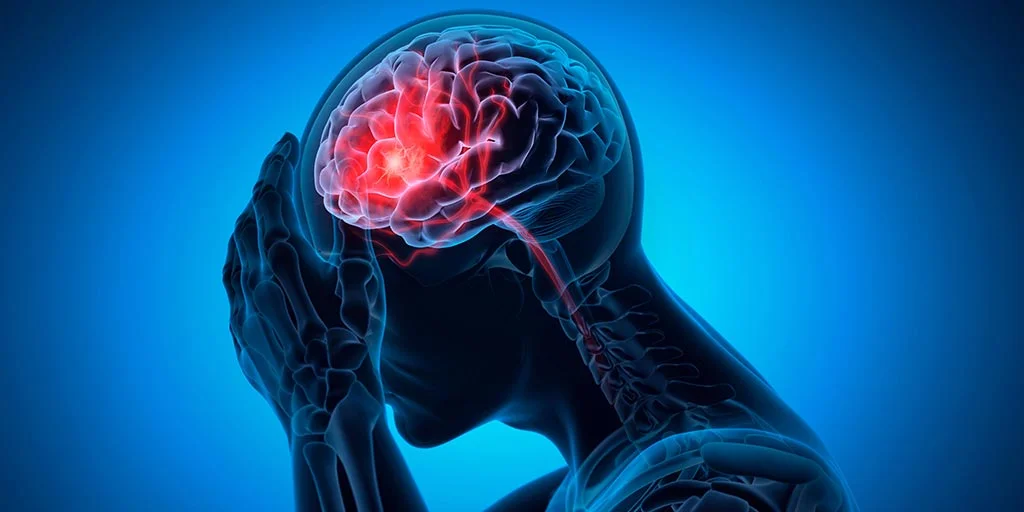
What Is a Stroke?
A stroke happens when the blood supply to part of the brain is blocked (ischemic stroke) or when a blood vessel bursts (hemorrhagic stroke). Without oxygen-rich blood, brain cells begin to die within minutes.
Early treatment can significantly improve recovery and reduce complications.
Early Warning Signs of Stroke
1. Sudden Weakness or Numbness
One of the most common early signs is sudden weakness or numbness, especially on one side of the body. This may affect:
- Face
- Arm
- Leg
If one side feels heavy, numb, or difficult to move, seek help immediately.
Trouble Speaking or Understanding Speech
A person having a stroke may:
- Slur words
- Speak unclearly
- Have difficulty understanding simple sentences
If speech suddenly becomes confusing or abnormal, it could be a stroke.
Facial Drooping
Ask the person to smile.
If one side of the face droops or feels numb, this is a serious warning sign that should not be ignored.
Sudden Vision Problems
Stroke can cause:
- Blurred vision
- Loss of vision in one or both eyes
- Double vision
Any sudden vision change is a red flag.
Severe Headache Without Known Cause
A sudden, intense headache—often described as the worst headache of life—may signal a hemorrhagic stroke, especially if accompanied by:
- Vomiting
- Dizziness
- Loss of consciousness
Dizziness or Loss of Balance
Sudden difficulty in:
- Walking
- Maintaining balance
- Coordinating movements
can indicate a stroke affecting the brainstem or cerebellum.
Remember FAST: Act Quickly
Use the FAST test to identify stroke symptoms quickly:
- F – Face: Does one side droop?
- A – Arms: Can both arms be raised evenly?
- S – Speech: Is speech slurred or strange?
- T – Time: Call emergency services immediately
Who Is at Higher Risk of Stroke?
You may be at higher risk if you have:
- High blood pressure
- Diabetes
- High cholesterol
- Heart disease
- Smoking or alcohol habits
- Obesity or lack of physical activity
- Family history of stroke
Regular health check-ups can help reduce risk.
When to See a Doctor
Do not wait for symptoms to improve. Even if signs appear briefly and disappear (often called a mini-stroke or Transient Ischemic Attack – TIA), immediate medical evaluation is essential. These warning signs should never be ignored, as they can be a strong indication of an upcoming major stroke.
Early diagnosis and timely treatment under the guidance of an experienced specialist like Dr. Sonalika Behera can significantly reduce the risk of severe complications, long-term disability, and life-threatening outcomes. Prompt medical attention helps in identifying the cause and starting preventive care at the right time.
If you or a loved one experiences any sudden neurological symptoms, seek medical care immediately—every minute matters.
Final Thoughts
Stroke can happen to anyone, at any age. Knowing the early signs of stroke and acting fast can save lives and prevent permanent damage. If you or someone near you shows any of these symptoms, seek emergency medical care immediately.
Your awareness could make all the difference.

